Choose the business job
Explore agent offers by the work they support, from customer knowledge to research and operations.
Software & AI development · Provo, Utah
Give your customers a better experience and your team a better way to work. Firequark builds custom applications, connected business systems and AI-powered tools around the work that matters to you.
Meet Firequark BusinessOS
Keep customer work, proposals, business knowledge and follow-through together. Explore eight connected modules in our interactive demo, then talk with us about a guided beta evaluation.
Bring approved job details and evidence into a reviewable growth workflow.
Give field teams a place to collect job notes and proof while the work is still fresh.
Organize estimates, options and proposal versions before your team approves the offer.
Manage knowledge, vendors, pursuits, site findings and readiness work in the same suite.
What we build
When spreadsheets, disconnected subscriptions or a tired application get in the way, we build the missing connection.
Make it easier to buy, book, request service or manage an account with a web or mobile experience built around them.
Bring customers, documents, approvals and day-to-day decisions into a business platform that fits your process.
Connect the software you already use so information can move through the business without another spreadsheet handoff.
Design assistants and reviewable automations for research, knowledge, service and repetitive operational work.
Firequark AI agents
Start with the task your team repeats: finding an answer, preparing a brief or organizing the next action. We help you select and configure an agent around your information, tools and review process.
Explore agent offers by the work they support, from customer knowledge to research and operations.
Define the sources, connections and approval steps the agent needs before it works with your data.
Each offer identifies its scope and setup requirements. Your team decides which actions need a person in the loop.
How we work
You do not need a technical specification to start. Bring the problem; we will help turn it into a practical plan and working software you can review along the way.
Show us where work slows down, customers wait or your team repeats the same task. We help you choose the problem worth solving first.
You get a clear scope, priorities and delivery stages before development starts, so you can decide what to build now and what can wait.
Walk through the important screens and decisions before we build them. Your feedback shapes the product while changes are still straightforward.
Review working features throughout the build. We connect the screens, data and business rules that make the software useful to your team.
We test the journeys your customers and staff will rely on, including mobile use, permissions and the moments when something goes wrong.
We prepare the release, protect existing data and show your team how to operate the product. Ongoing support and improvements are scoped to your needs.
Built around your business
We work with the people doing the job so the product fits daily use, not just the presentation.
We look for useful integrations before recommending a replacement, keeping disruption and rework in view.
Start with a focused release and a clear path for improvements as you learn what customers and staff actually need.
Selected systems
Explore the platforms, workflows and business ideas we have helped bring to life.
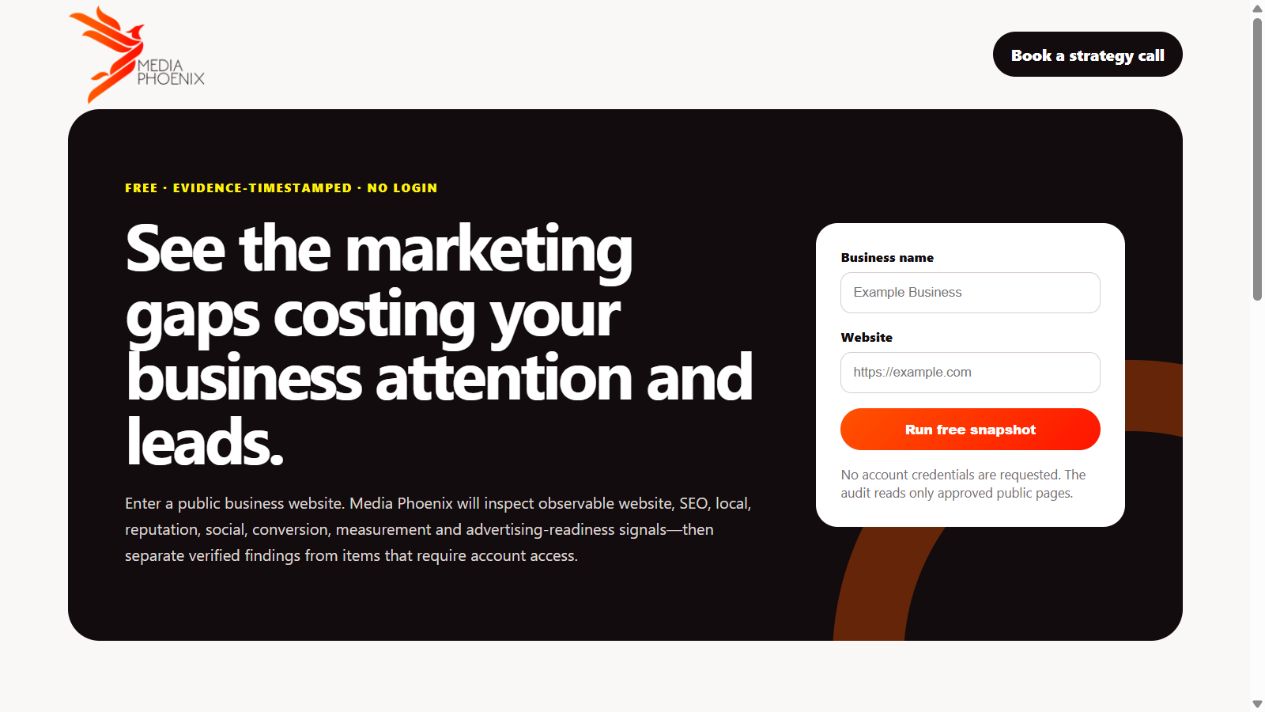
Client onboarding
A simpler first step from a prospect's website to an assessment and guided account access.
Explore the project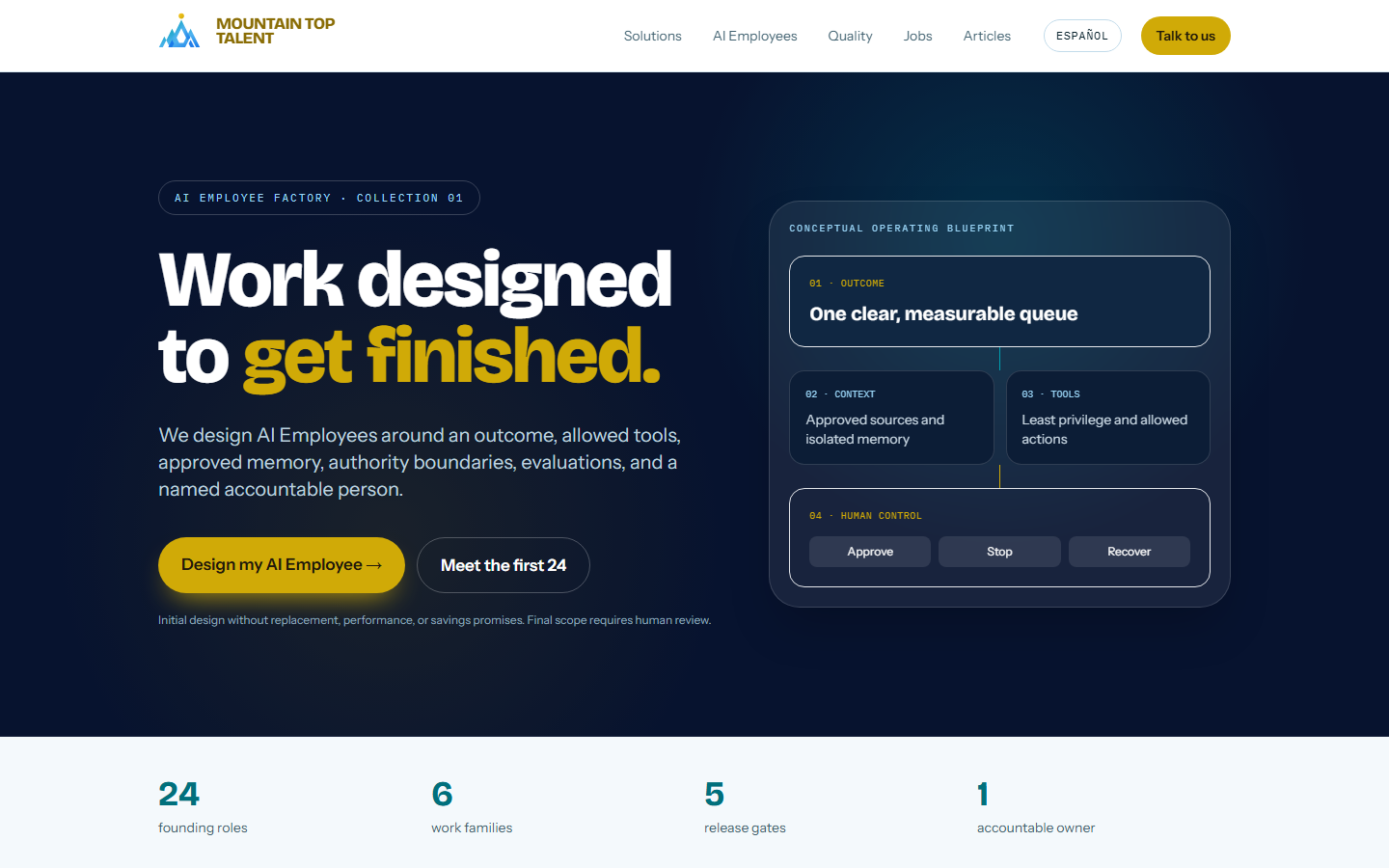
People + AI workflows
Bring human support and AI-assisted business roles into a clearer service experience.
Explore the project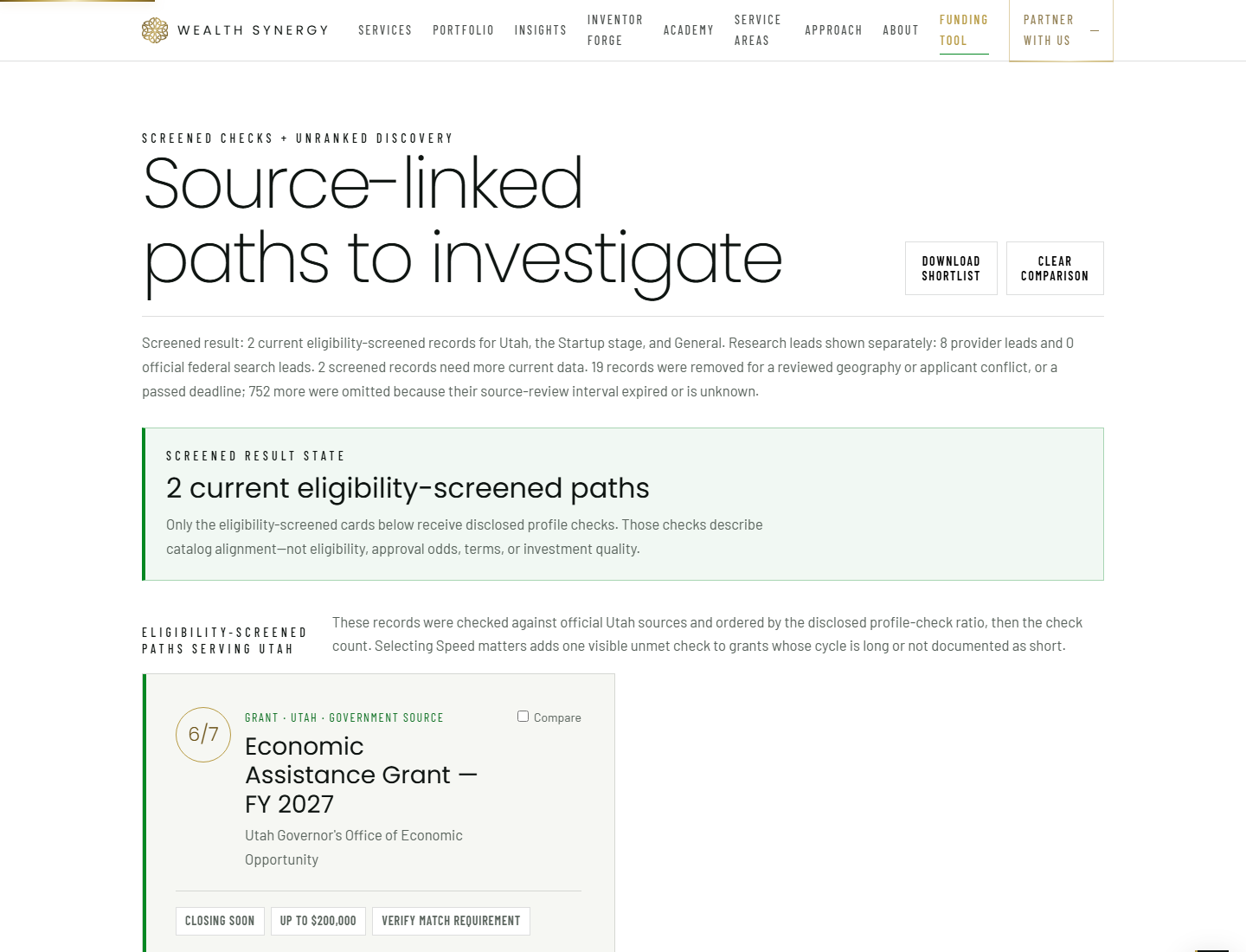
Funding research software
Help founders move from scattered funding leads to a source-linked research shortlist.
Explore the project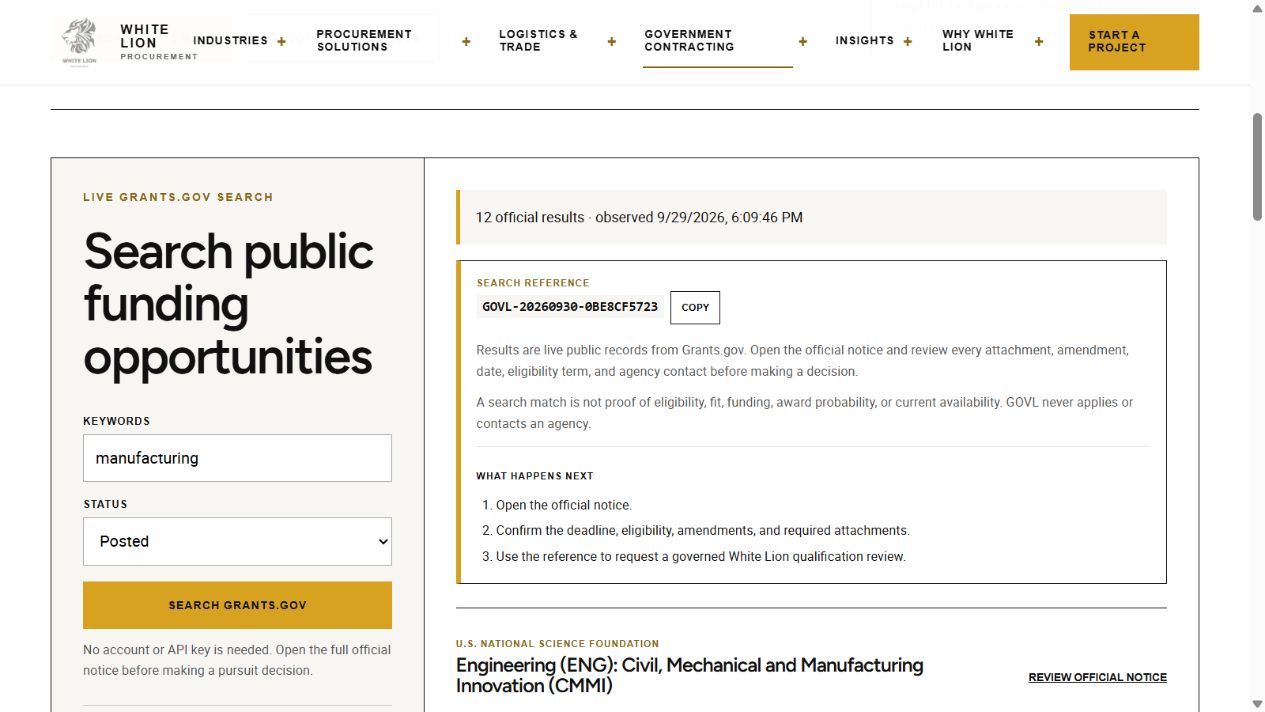
Procurement + opportunity research
Connect government-opportunity research with a clear path to qualification and proposal support.
Explore the project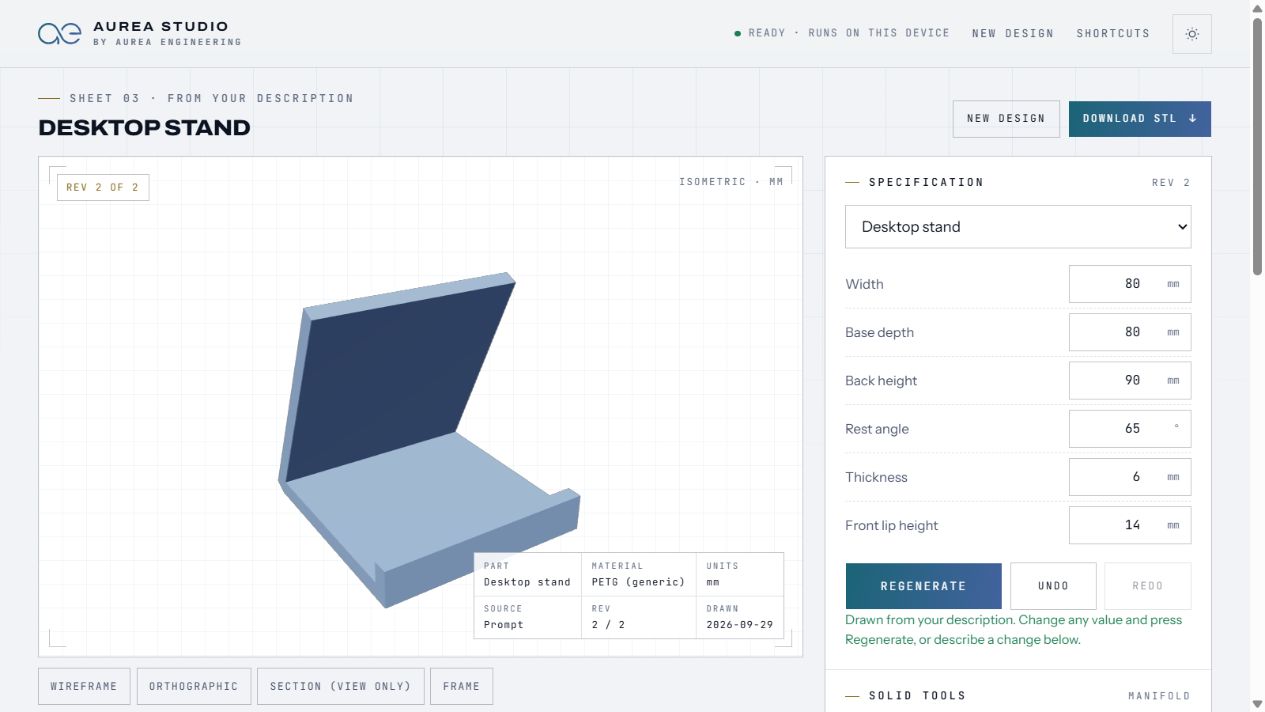
Concept and design tools
Take a supported part idea from a short description to an editable 3D concept.
Explore the project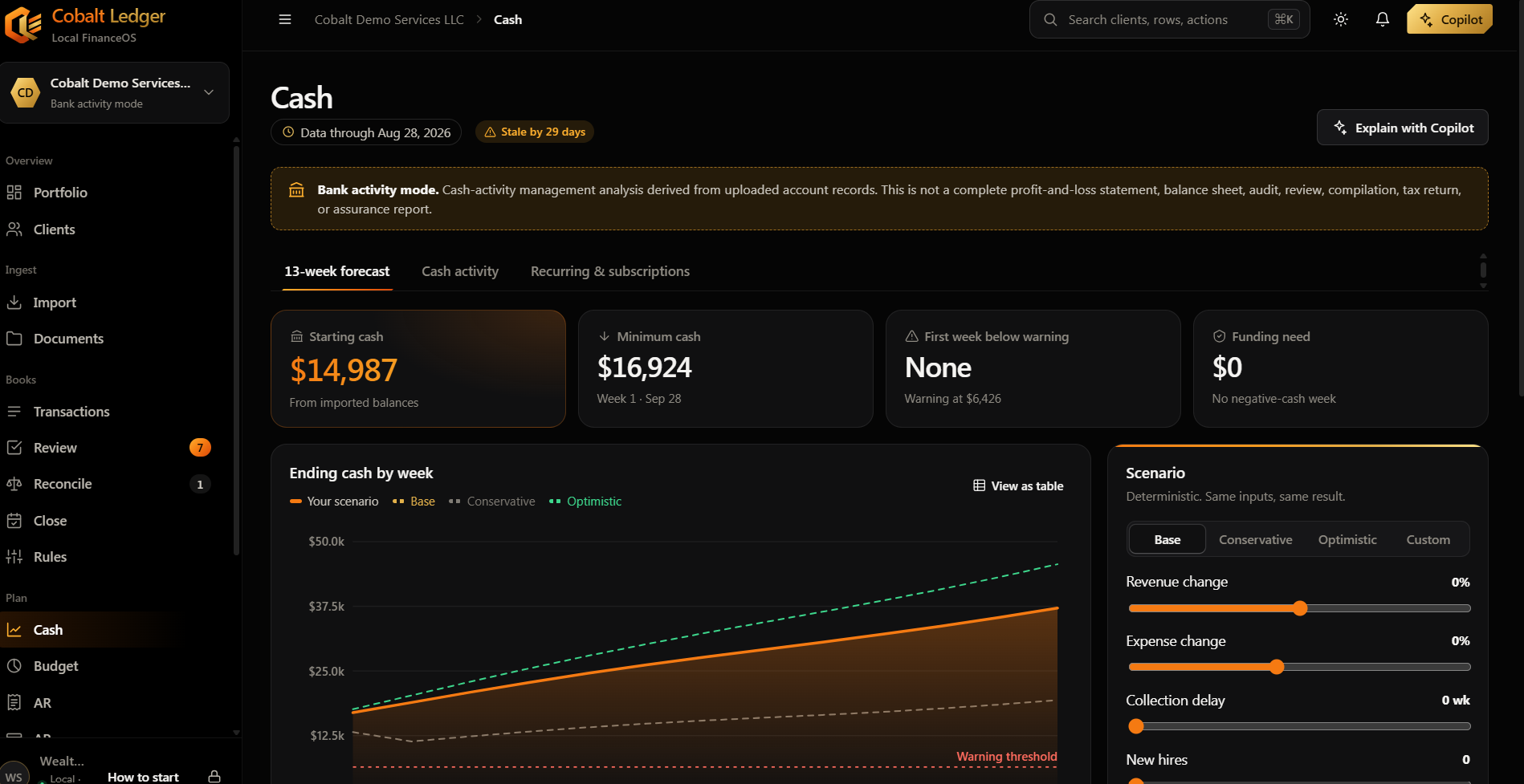
Finance operations
Turn financial records into a prioritized review queue, reconciliation work and cash scenarios.
Explore the project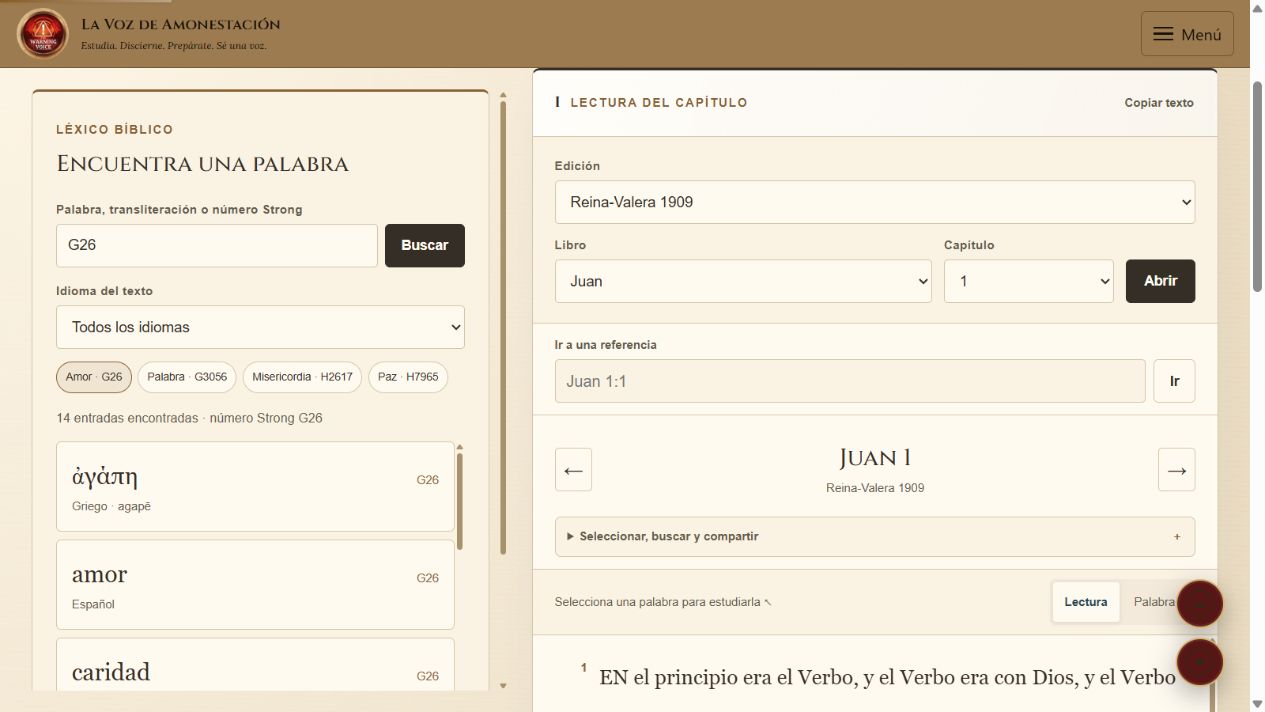
Nonprofit learning platform
A Spanish-language study platform that connects words, source texts and practical learning tools.
Explore the project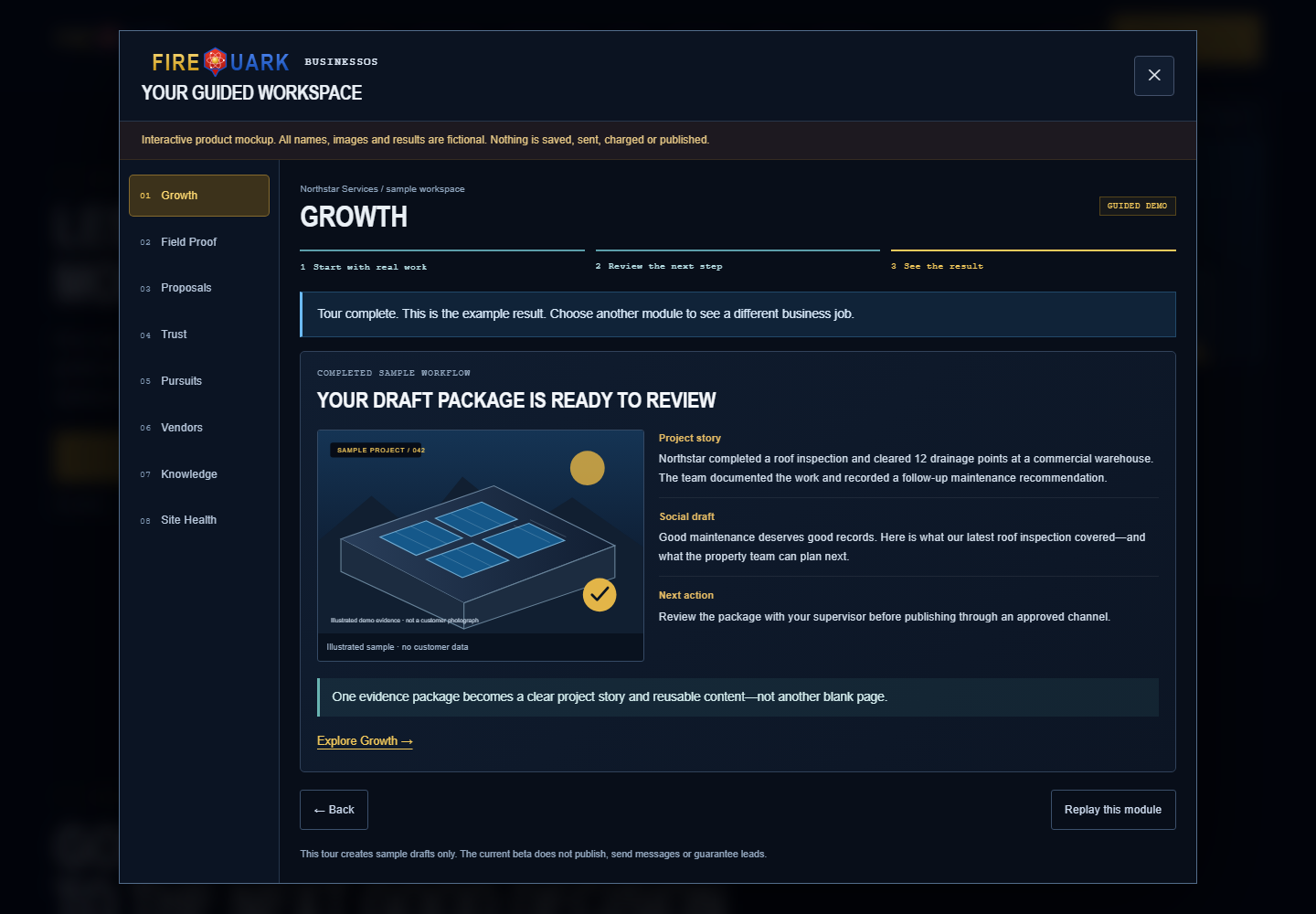
Our own operating software
See how field evidence, proposals and website findings become useful work inside BusinessOS.
Explore the projectIgnition
Tell us what is slowing you down or what you want to launch. Let's find the right place to start.